From the 1500s to the 1800s Finland was the battlefield of Sweden and Russia, and in the 1900s the stage of its own wars. Every war left something in the terrain: Suvorov's forts in the south-east, Russian gun positions in the rocks around Helsinki, the Salpa Line's 1,200 kilometres of bunkers along an eastern border where no battle was ever fought.
The list picks sites where the traces are visible and which you can enter or stand right beside. Memorials are burial places. Do not enter bunkers in the terrain without a lamp or alone, and if you find anything that looks like an explosive, do not touch it – call 112.
-
Raatteen Portin talvisotamuseo
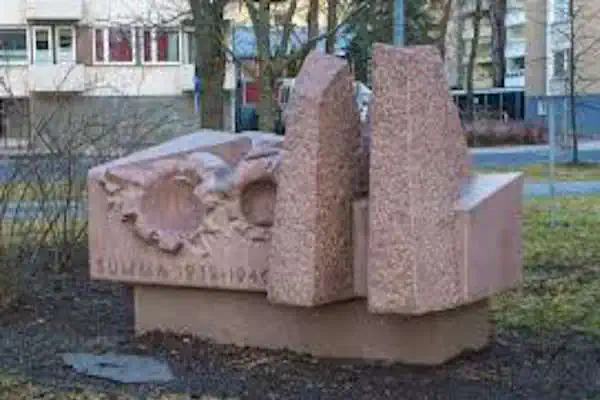
SuomussalmiOn the Raate road an entire Soviet division was destroyed in January 1940 during the Winter War. Beside the museum the 105 bells of the Winter War Monument ring for the fallen, one for each day of the war, and a field of stones represents the dead of both sides.
Place page and directions → -
Salpa-line museum
MiehikkäläThe Salpa Line is 1,200 kilometres of bunkers, caves and tank barriers from the Gulf of Finland to Salla, built in 1940–1944 – and never fought over. At the Miehikkälä museum you can enter a rock bunker and see how the line would have worked.
Place page and directions → -
Bunker Museum
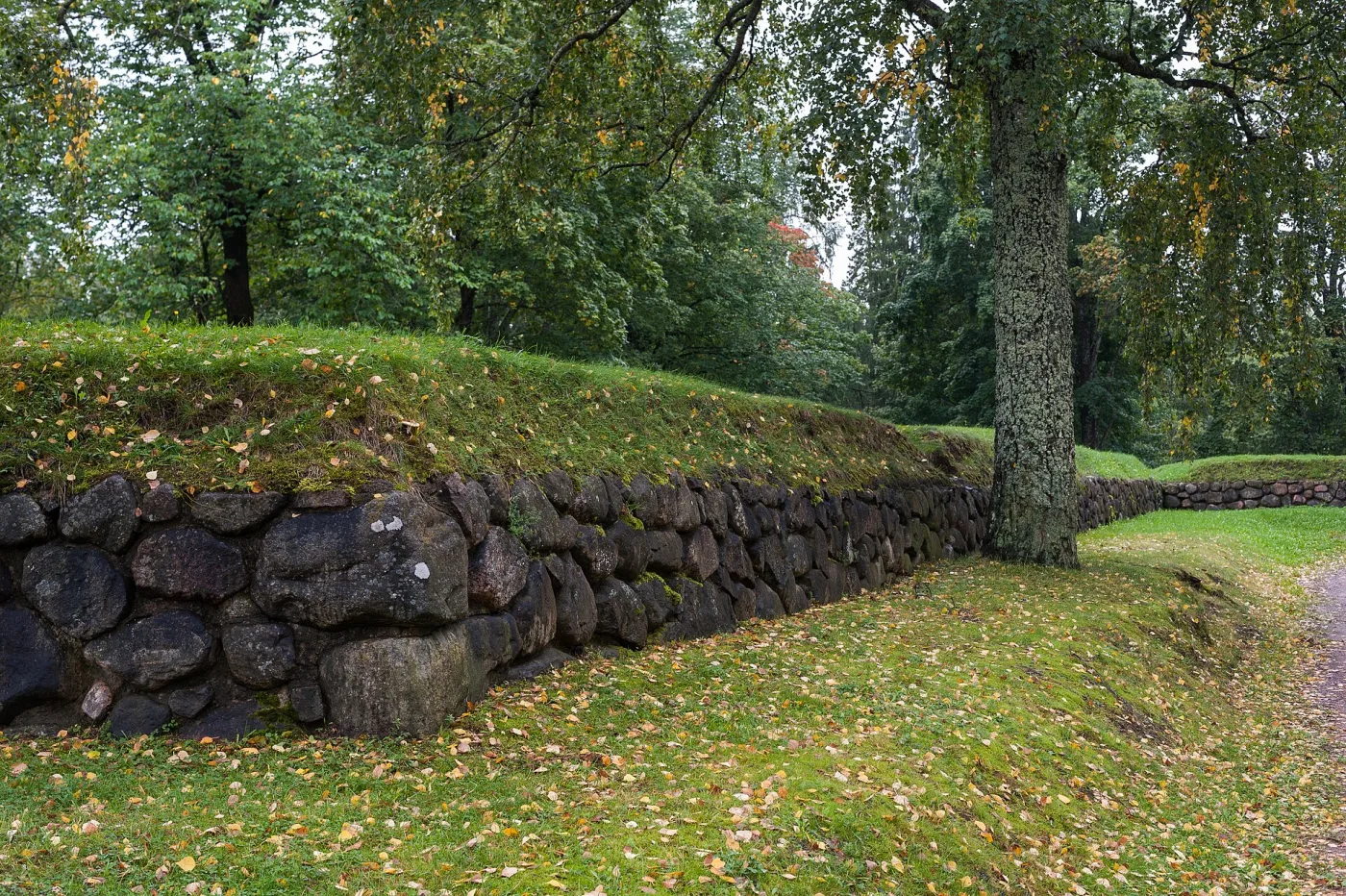
VirolahtiThe Bunker Museum in Virolahti is the southern end of the Salpa Line on the sea shore: reinforced-concrete dugouts, gun positions and a kilometres-long stone tank barrier whose granite blocks are laid in four rows.
Place page and directions → -
Harparskog-linja
RaaseporiAfter the Winter War, in 1940–41, 57.8 kilometres of barbed wire and 3.8 kilometres of tank barrier were built along the border of the leased Hanko area. The line was left unfinished when the front moved at the start of the Continuation War, and the bunkers are still in the forests of Raasepori.
Place page and directions → -
The armour museum
HattulaThe Tank Museum at Parola has a rare Sturmgeschütz III assault gun and a line of T-26, T-28, T-34 and Panzer IV tanks, some of which served in the Finnish army during the war. It draws over 30,000 visitors a year.
Place page and directions → -
Napuen taistelun muistomerkki
IsokyröAt Napue in Isokyrö, on 19 February 1714, the Finnish army was crushed and the Great Wrath, the Russian occupation, began. The memorial stands on the field where thousands fell – the oldest battlefield on this list.
Place page and directions → -
Liikkala Fortress
KouvolaLiikkala fort in Kouvola belongs to the south-eastern fortification system General Suvorov had designed in the 1790s to protect the roads to St Petersburg. Suvorov estimated the construction cost at 1,661 roubles and 65 kopecks.
Place page and directions → -
Porrassalmen taistelun muistomerkki
MikkeliAt Porrassalmi in Mikkeli on 13 June 1789 the bridge over the strait was dismantled before the battle, and an outnumbered Finnish force held its position in Gustav III's war. The outcome is counted a moral victory; the memorial stone was raised in 1923.
Place page and directions → -
Koljonvirran taistelun muistomerkki
IisalmiAt Koljonvirta in Iisalmi, Sandels's troops defeated a superior Russian force on 27 October 1808 in the Finnish War. Runeberg's Sven Dufva defended this very bridge, and the memorial stands on the riverbank.
Place page and directions → -
Ruins of Krepost Sveaborg land fortifications
HelsinkiIn Reimarla, Helsinki, is a defensive position the Russians built in 1915–1918: communication and fighting trenches cut into the rock amid recreational trails. The Viapori land front was never used in battle and is a nationally significant archaeological site.
Place page and directions → -
Museo Militaria
HämeenlinnaIn the red-brick barracks of Hämeenlinna, Museo Militaria brings together the history of the artillery, engineers and signals: an outdoor exhibition area, a permanent exhibition, temporary shows and guided tours. A good final stop on the list if you want to see what the structures in the terrain were for.
Place page and directions →

All on the map
The whole theme. This list is a selection. The theme page has every place by region, a map and background on the phenomenon.
War history · 153 places →